The moments we share with family and friends shape who we are. A long Sunday lunch, a spontaneous road trip, a quiet evening with people you love — these experiences do more than create pleasant memories. Research consistently shows that strong social connections are one of the greatest predictors of long-term happiness and wellbeing. Yet, despite knowing this, many of us let weeks slip by without making time for the people who matter most.
The science behind shared experiences
There is something genuinely powerful about doing things together. Psychologists call it "shared reality" — the way that experiencing something alongside others makes it feel more meaningful and vivid. A film watched alone is enjoyable. That same film watched with friends, with someone to nudge during the funny bits and debrief with afterwards, becomes a memory. Studies from the University of California found that shared experiences, both positive and negative, are felt more intensely than solo ones. Simply put, togetherness amplifies life.
Quality over quantity
It is easy to assume that being a good friend or family member means being constantly available. In reality, it is the quality of time spent together that counts. A single focused, phone-free afternoon with your parents can do more for your relationship than weeks of half-present visits. The same applies to friendships. What people remember is not how often they saw you, but how present you were when they did. Giving your full attention is one of the simplest and most meaningful gifts you can offer.
Creating rituals that bring people together
Some of the most cherished family traditions started as ordinary habits. A Friday night takeaway, an annual camping trip, a monthly dinner with old friends — rituals like these provide a reliable rhythm of connection in busy lives. They do not need to be elaborate or expensive. What makes a ritual meaningful is its consistency and the sense of belonging it creates. When people know that a regular gathering is always on the calendar, it becomes something to look forward to, a small but steady anchor in an otherwise unpredictable world.
The role of food and shared meals
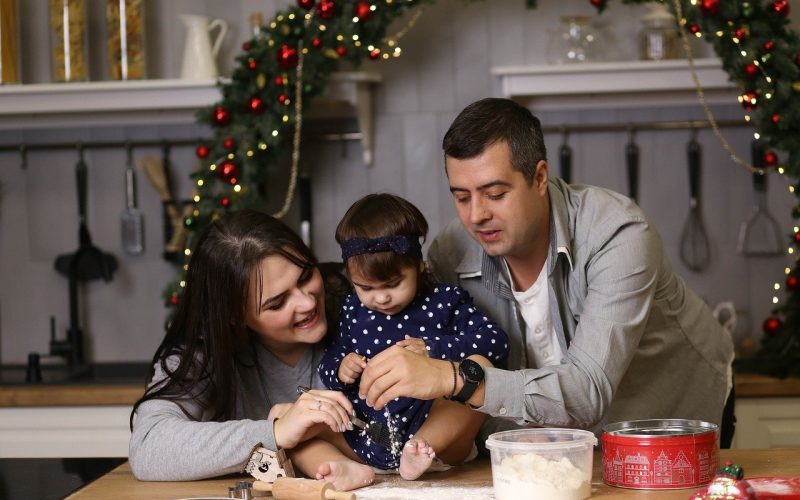
Across cultures and centuries, sharing a meal has been one of the most universal expressions of community. There is a reason so many of our best memories involve a table. Food slows us down. It gives us something to focus on together, a natural structure for conversation, laughter, and the kind of easy companionship that can be hard to manufacture elsewhere. Whether it is a birthday barbecue or a simple midweek dinner, sitting down to eat together remains one of the most effective ways to strengthen bonds with the people you care about.
Making time when life gets busy
Modern life has a habit of crowding out connection. Work pressures, long commutes, and the endless pull of screens can make it genuinely difficult to carve out time for family and friends. But the effort is worth making. Scheduling social time with the same seriousness as a work meeting might feel overly formal, yet it works. Sending a message to arrange a catch-up, suggesting a walk, or simply showing up — these small acts of initiative go a long way. The people in your life are unlikely to remember your productivity. They will remember that you made time for them.
The lasting value of good times
At the end of the day, the good times we share with family and friends are not a luxury — they are a fundamental part of a well-lived life. The laughter, the stories, the shared history built around ordinary and extraordinary moments alike: these are what endure. Investing in those relationships, making space for joy and togetherness, is one of the most worthwhile things any of us can do.